
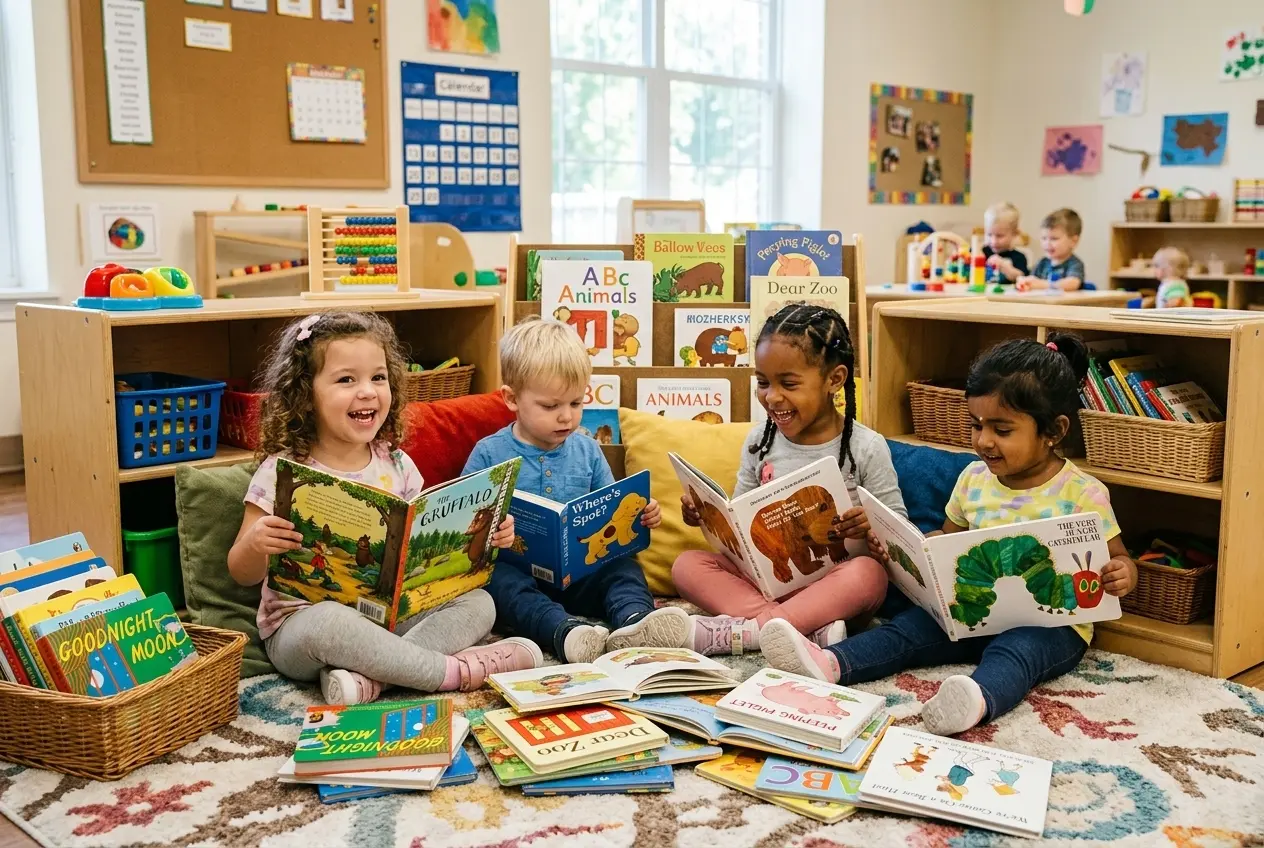
Children’s Books for Daycare: Top Picks for Toddlers and Preschoolers
Choosing the right children’s books for daycare can make a big difference in how young children settle into a new classroom. The first few years of a child’s life are filled with new experiences. A new classroom and unfamiliar faces can feel overwhelming at times. But it takes one well-chosen story in a daycare setting to make these transitions easier by giving children familiar ideas and comforting characters.
The right book will introduce new words and create conversations between educators and young learners.
You will see it turning a simple reading session into a chance for children to explore emotions and connect with others. Scroll down to learn how you can select the best books to make their reading experience the best one.
The Must-Have Books For Day Care Sessions
Choosing the right books depends on the age group and the type of learning experience educators want to create.
Behind many successful children’s stories is the careful work of a childrens book editor who helps ensure the story connects with its intended age group.
Each book brings a different kind of experience, from calming bedtime-style stories for infants to imaginative adventures for preschoolers.
Books That Help Children Adjust to Daycare
Some children are excited to explore their new surroundings in a daycare, while others may struggle while adapting to unfamiliar routines.
Stories that address these mixed feelings can help children understand that their reactions are normal.
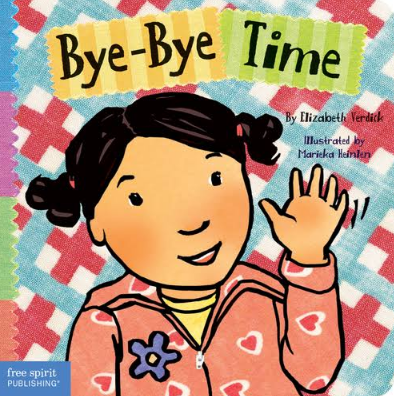
- Bye-Bye Time by Elizabeth Verdick
Goodbyes can be one of the most challenging parts of the daycare routine, especially for toddlers who are still learning about separation. Bye-Bye Time introduces simple goodbye rituals and reassures children that leaving a parent does not mean losing that connection.
As an educator, you can use this story during arrival time to create conversations about feelings and help children develop a sense of security.
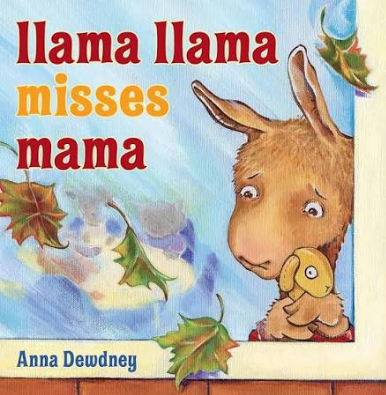
- Llama Llama Misses Mama by Anna Dewdney
The first days in a new environment can bring feelings of excitement and sadness at the same time. Llama Llama Misses Mama captures this experience through a familiar character who learns that missing home is a normal part of starting somewhere new.
The story gives children language to describe emotions they may not yet know how to express. It is especially useful when discussing feelings during the early weeks of daycare.
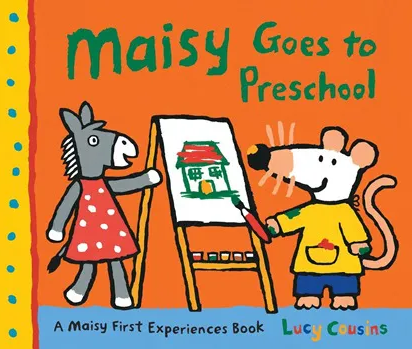
- Maisy Goes to Preschool by Lucy Cousins
Maisy Goes to Preschool provides a simple introduction to what a preschool day may look like for young minds that are unfamiliar with classroom routines. The colourful illustrations show activities and classroom spaces that children may encounter.
The book works well before a child begins preschool or when educators want to introduce daily routines in a relaxed way.
These are examples of the best books for daycare.
Books That Encourage Language Development
Reading aloud plays an important role in building vocabulary during early childhood. Repeated phrases and interactive storytelling can encourage children to participate instead of simply listening.
Visual storytelling also plays a big role in early learning. Many children’s books created through childrens book illustration services focus on details that help children understand the story even before they can read independently.
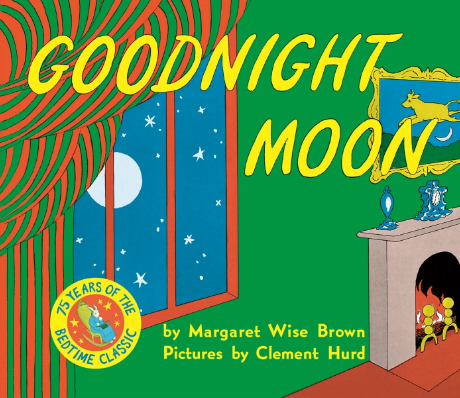
- Goodnight Moon by Margaret Wise Brown
Goodnight Moon is also a wonderful choice for quiet daycare moments. The gentle rhythm and repeated phrases make it easy for young children to follow along.
Familiar words and calming illustrations create a comfortable reading experience for infants and toddlers.
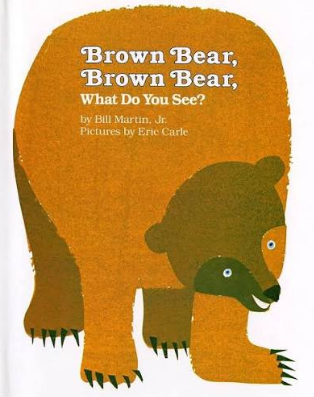
- Brown Bear, Brown Bear, What Do You See? by Bill Martin Jr. and Eric Carle
This classic story is still popular because children quickly become involved in the repeated question-and-answer format. The colourful animals and predictable structure encourage children to repeat words and anticipate what comes next.
This title works great for educators searching for books to read to toddlers in daycare, because children can actively participate during group reading sessions.
Books That Teach Emotions and Social Skills
Stories that explore kindness and relationships can support positive classroom interactions among children with different personalities.
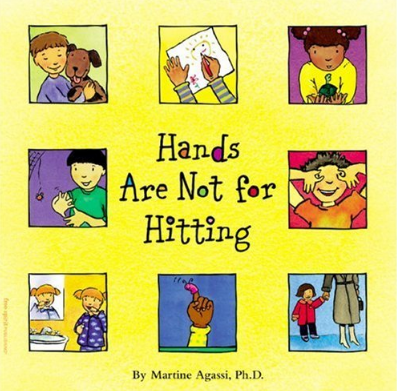
- Hands Are Not for Hitting by Martine Agassi, Ph.D.
Young children are still learning how to manage strong emotions and interact appropriately with others. Hands Are Not for Hitting provides a simple explanation of positive behaviour and respectful actions.
The book can support classroom conversations about boundaries and making safe choices.
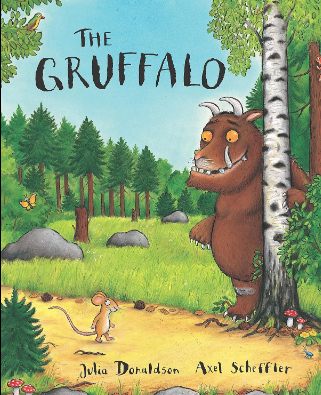
- The Gruffalo by Julia Donaldson
The Gruffalo introduces a clever mouse character who uses creativity and confidence to navigate challenges, which makes the story more than just an entertaining adventure.
The rhyming language also makes it a strong choice for read-aloud sessions, where children can join in with familiar phrases and predict what may happen next. Many educators include stories like this among their books for preschool circle time because they encourage group participation and discussion.
Choosing the Right Books for a Daycare Setting
There is no single collection that works for every classroom, as a group of infants may respond best to short stories with clear pictures and gentle rhythms, while preschool children may enjoy longer narratives with humour and problem-solving.
Educators should consider the following while choosing a book published by a reliable children’s book publishing company.
- Age and attention span: Younger children usually prefer shorter stories with engaging visuals, while older children can follow more detailed plots.
- Classroom goals: Some books work well for emotional discussions, while others support creativity or early learning concepts.
- Child interests: Stories about animals, friendships, daily routines and adventures often encourage stronger engagement.
- Reading style: Books that invite children to answer questions or interact with pages can create a more enjoyable experience.
A mixed collection of books can give children a wider range of experiences.
How Educators Can Make Story Time More Meaningful
Many educators include early childhood reading books in their classrooms because these stories support communication skills while keeping children engaged.
Here is how you can encourage interactions to connect students with the story.
- Ask children what they think will happen next instead of immediately turning the page.
- Encourage children to describe characters or objects they notice in the illustrations.
- Connect story themes with classroom activities, such as creating artwork inspired by a book.
- Allow children to revisit favourite stories because repetition promotes better understanding.
Children often request the same stories repeatedly, and this repetition serves an important purpose, which is to make them feel confident participating during reading sessions.
FAQS
- How often should daycare educators read to children?
Daily reading sessions should take place because they will give children a chance to constantly listen to stories. Even short reading periods can create valuable learning opportunities.
- Can digital books replace books in the daycare?
It may be good to use digital books sometimes, but traditional books are always preferable, since they allow children to interact differently by turning pages and pointing at pictures.
- What can educators do to encourage children who do not like to read?
Educators can begin by giving children books related to their interests, such as animals or vehicles. It may be helpful to start with stories and songs to make students more comfortable with the story.
Key Takeaways
The best children’s book is the one that provides comfort during difficult transitions and creates moments of connection between educators and children. No matter what the chapter of a book is, a well-selected story can become an important part of everyday daycare life and help children learn and grow through experiences they truly enjoy.

Sophie Benmouyal has a deep love for children’s stories and the magic they bring to young readers. She understands that creating a children’s book requires complete dedication of emotional energy and creative talent. At Childrenspublisher.ca she created instructional materials and blog posts that guide readers through the entire process of publishing children’s books using the simplest and most supportive methods. Outside of her job, she spends her time learning new children’s literature while searching for innovative methods to motivate upcoming writers.